
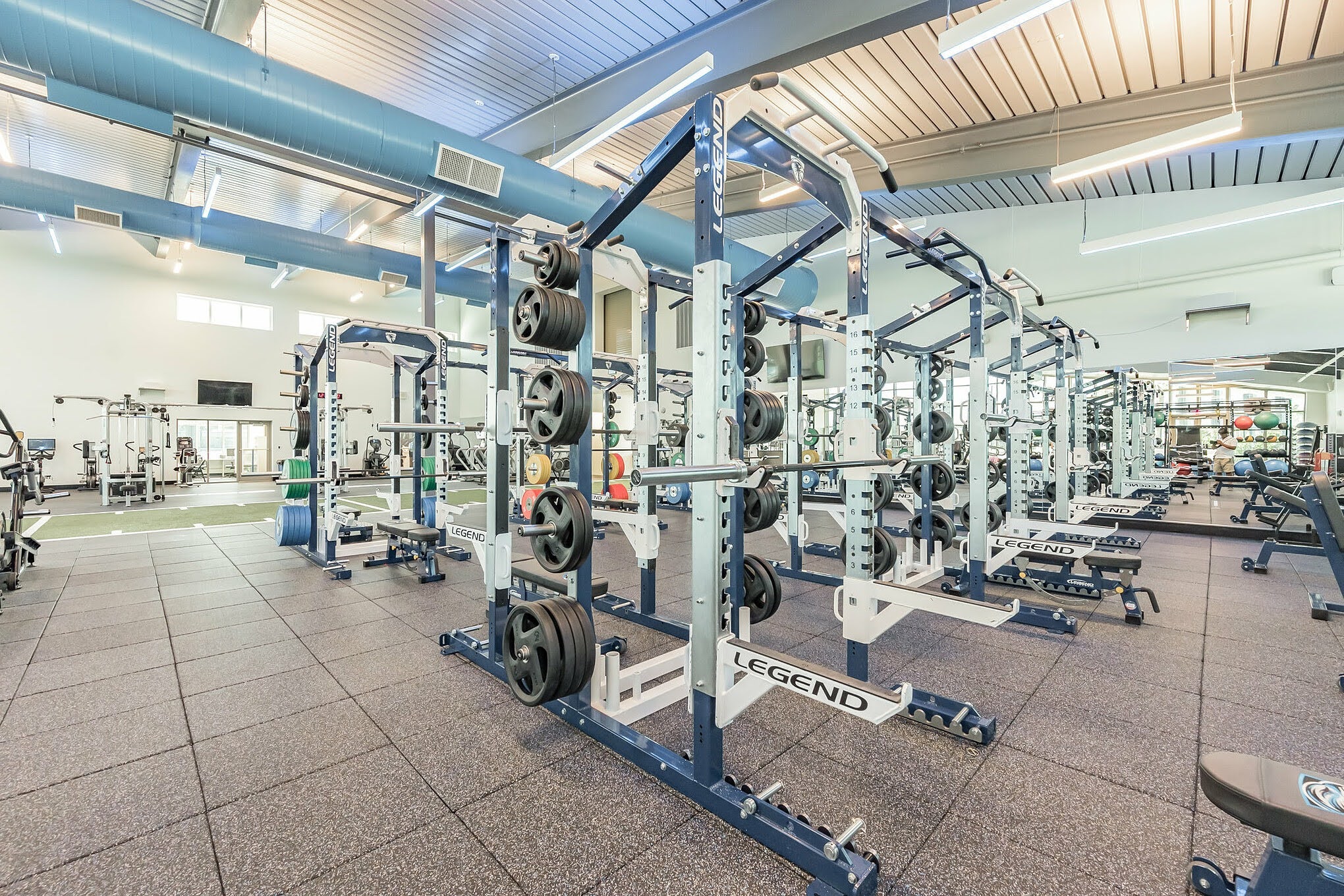
Buying commercial gym equipment in Calgary is rarely just a question of picking treadmills from a catalogue. The right order depends on who will use the space, how hard they will use it, how the equipment gets into the building in February, and who shows up when a console stops working six months later. Whether you are outfitting a new condo tower amenity floor, refreshing a downtown office fitness centre, or replacing worn out gear in a community facility, the decisions you make at the sourcing stage shape how the room performs for years.
This guide focuses on what matters for Calgary facilities specifically. For the bigger picture on budgets, brands, and buying across provinces, see our pillar guide, Commercial Gym Equipment in Canada: A Cross-Country Buying Guide.
What Makes Buying Gym Equipment in Calgary Different
The fundamentals of good equipment planning are the same everywhere. A few local conditions, though, deserve more attention in Calgary than they might elsewhere.
A wide mix of facility types. Calgary buyers range from residential towers in the Beltline and East Village to corporate offices downtown, hotels, campus recreation, and municipal recreation centres. Each one sees a different kind of use. A condo gym busy at 6 a.m. and 6 p.m. needs different equipment than a hotel gym used in short bursts or a recreation centre running programming all day.
Winter logistics. Long, cold winters affect delivery windows, loading dock access, and how equipment is staged before installation. A shipment that sits in an unheated space or gets brought straight from a cold truck into a warm room needs time to acclimatize before it is powered on. That is worth planning into the schedule rather than discovering on install day.
Dry indoor air. Calgary’s dry climate, especially when buildings are heated through the winter, tends to build static electricity. On cardio equipment, that can mean shocks for users and, over time, stress on consoles and electronics. Ask about grounding, anti static flooring or mats, and any humidity guidance the manufacturer provides.
Distance from manufacturing and distribution. Most commercial equipment is built outside Alberta, so freight, lead times, and parts availability all matter more than buyers expect. The price on the quote is only part of the story if a replacement part takes weeks to arrive.
Start With How the Space Will Be Used
The most common mistake we see is buying equipment before the facility has defined how it will run. Before you request a single quote, get clear on a few questions:
- Who are the users, and when do they show up? Resident, employee, guest, student, and public users all train differently.
- Will staff be on the floor? Unstaffed spaces need equipment that is intuitive and safe to use alone. Staffed facilities can support more technical strength equipment and programming.
- What does training look like today? Many facilities are shifting square footage toward free weights, racks, and functional training space, and away from rows of single purpose machines. Your equipment mix should reflect what your users actually do.
- What are the building limits? Floor loading, ceiling height, electrical capacity, and what sits above and below the room all affect where heavy strength equipment and treadmills can go.
This is also where early collaboration pays off. When the equipment plan is developed alongside the architect’s and developer’s design work, the team has real inputs for power locations, flooring, and clearances from the start. That reduces redesign and change orders later, and it keeps the layout and the equipment list working together instead of competing.
Commercial Grade vs. Light Commercial: Why It Matters
Not everything marketed as “commercial” is built for a busy shared facility. Manufacturers typically rate equipment for a certain level of use, and those ratings affect durability, warranty coverage, and total cost over time.
A few things to confirm on every quote:
- Duty rating. Make sure the equipment is rated for the hours of use your facility will actually see. Light commercial equipment placed in a high traffic gym tends to wear out faster and may not be covered under warranty for that use.
- Warranty terms. Look at coverage for frames, motors, parts, and labour separately. Labour coverage is often the shortest, and it is the piece that matters most when something breaks.
- Parts availability in Canada. Ask where parts ship from and how long typical replacements take to reach Calgary.
- Serviceability. Some equipment is simply easier to maintain. Access panels, modular components, and common parts all reduce downtime.
A lower upfront price can cost more over the life of the equipment if it leads to more repairs, more downtime, and earlier replacement.
Canadian Compliance Checks Before You Sign
Equipment sourced from outside Canada, or from sellers who mostly serve the U.S. market, is not always ready for a Canadian facility out of the box. Build these checks into your review:
- Electrical certification. Powered equipment like treadmills, ellipticals, and bikes with plug in consoles needs to be approved for use in Canada. Electrical products must meet Canadian codes and standards and carry a recognized approval mark from an accredited certification or inspection body. The Standards Council of Canada’s list of recognized electrical approval marks is a useful reference when you are checking a spec sheet. Uncertified equipment can create problems with inspections, insurance, and liability.
- Power requirements. Confirm voltage, amperage, and whether a unit needs a dedicated circuit. This should be coordinated with the electrical design early, not after the equipment arrives.
- Safety clearances. Treadmills need open space on the sides and behind them. The standard calls for at least 0.5 metres on each side and 2 metres behind each treadmill, which adds up quickly in a smaller room.
- Accessibility. Plan for accessible routes and clear floor space around at least some of each equipment type, and check the requirements that apply to your building type in Alberta.
Pricing, Lead Times, and Tariffs
Commercial equipment pricing in Calgary is shaped by more than the sticker price. Freight, installation, disposal of old equipment, and currency all show up on the final invoice.
Cross border trade policy is also worth watching. Ask your supplier directly how duties are handled, whether they are included in the quoted price, and how long that price is held.
On lead times, plan earlier than you think you need to. Popular commercial models can take weeks or months to arrive, and a delay can push back a building opening or leave an amenity space empty. If you have a firm opening date, work backwards from it and build in room for shipping and winter weather.
Questions to Ask Any Supplier of Gym Equipment in Calgary
Before you commit, these questions will tell you a lot about who you are working with:
- Is this equipment rated for the level of use our facility will see?
- Does every powered unit carry a recognized Canadian approval mark?
- What is included in the price: freight, delivery, installation, and removal of old equipment?
- How are duties and exchange rates handled, and how long is this quote valid?
- What is the realistic lead time to Calgary, and what happens if it slips?
- Who handles warranty claims, and who actually does the repair work?
- What preventive maintenance do you recommend, and can you provide it?
- Can you work with our architect and contractor on power, flooring, and layout?
If a supplier cannot answer the service questions clearly, that is usually a sign the relationship ends at delivery.
Plan Delivery and Installation Around Calgary Conditions
Installation day is where good planning shows up. A few details to sort out in advance:
- Building access. Confirm loading dock hours, freight elevator dimensions and weight limits, and any booking requirements with property management. In high rise residential and office buildings, these often set the schedule.
- Weather buffers. Build flexibility into winter delivery dates, and make sure equipment has somewhere heated and secure to wait if the room is not ready.
- Site readiness. Flooring, power, and any wall reinforcement for mounted equipment should be complete before delivery. Installing into an unfinished room usually means moving equipment twice.
- Commissioning and orientation. Make sure every unit is tested, calibrated, and registered for warranty, and that staff or property managers know how to handle basic issues.
Think Past Installation Day
The purchase is the start of the equipment’s life, not the end of the project. Equipment that is maintained on a schedule lasts longer, holds up better under daily use, and keeps members and residents happier than equipment that only gets attention when it breaks.
That is why we look at sourcing, installation, and service as one connected plan. Our fitness equipment service team supports preventive maintenance, repairs, and lifecycle planning across mixed brand environments, so the equipment you buy keeps performing long after the boxes are gone. When one team is accountable from planning through procurement, installation, and ongoing service, there is no confusion about who to call.
Get the Right Gym Equipment for Your Calgary Facility
Choosing gym equipment in Calgary comes down to matching the right equipment to how your facility will run, then making sure delivery, compliance, and service are handled with the same care. We work with facilities across Canada, including Calgary, and we are not tied to a single equipment brand, so our recommendations start with your space, your users, and your budget.
If you are planning a new fitness centre or replacing equipment in an existing one, talk to our team about sourcing gym equipment in Calgary that fits how your facility actually runs.