
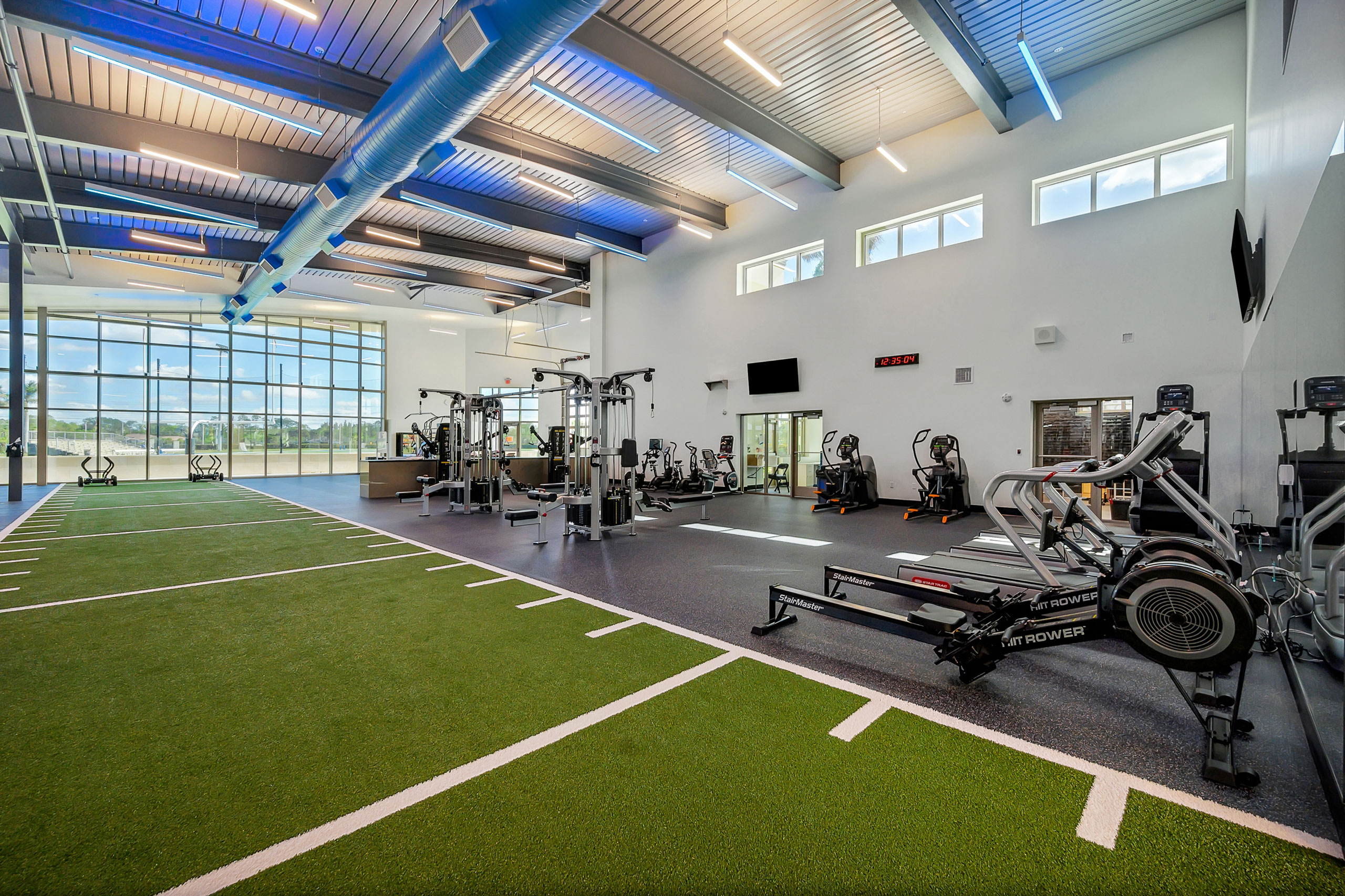
Opening a new fitness centre in Edmonton comes down to timing. Whether it’s an amenity space in a new residential tower, a corporate gym, a recreation facility, or a private club, the gym equipment usually lands near the very end of construction. That means it’s one of the last things standing between you and opening day. Get the lead times and costs right early, and the equipment shows up when the room is ready for it. Leave it late, and it can hold up the whole project.
This post focuses on what to plan for when you’re outfitting a new build in Edmonton. For the bigger picture on planning, budgeting, and buying across the country, start with our guide, Commercial Gym Equipment in Canada: A Cross-Country Buying Guide.
Why Timing Matters When Buying Gym Equipment in Edmonton
On a new build, the equipment order has to line up with everything else happening on site. Flooring has to be done. Power has to be live. The room needs to be clean, finished, and secure. If the equipment arrives before all of that is done, it ends up in storage, in a hallway, or wrapped in plastic in the middle of an active job site.
Edmonton adds its own layer to this. Construction schedules here often run into late fall and winter, and cold weather can slow freight, site work, and the final trades. A schedule that looks comfortable in August can get tight by November. That’s why we suggest treating the equipment timeline as part of the construction schedule from the start, not as a purchase you make once the drywall is up.
What Shapes Commercial Gym Equipment Lead Times
There isn’t one standard lead time for commercial gym equipment. It depends on what you’re ordering and how it’s configured. A few things tend to make the biggest difference:
- Product line and availability. Popular cardio and strength models are often easier to source than specialty or newly released pieces.
- Custom options. Custom upholstery, frame colours, and branded finishes look great in a design forward space, but they usually add manufacturing time.
- Package size. Outfitting a full facility is a bigger order than adding a few pieces, and it often ships in more than one wave.
- Freight distance and season. Getting equipment to Edmonton means moving large, heavy items across long distances, and winter conditions can add time.
- Installation scheduling. Once the equipment arrives, trained technicians still need to assemble, test, and commission it.
As a rule, the more custom the package, the earlier the order needs to go in. Locking in the equipment list during design gives you the most breathing room.
Work Backward From Opening Day
The most reliable way to plan is to start with your opening date and work backward. Here’s the sequence we see work well on new builds:
- Finalize the layout and equipment list while the design is still being developed.
- Place the order with enough time for manufacturing and freight.
- Confirm site readiness, including flooring, electrical, finishes, and any required inspections.
- Schedule delivery based on that readiness, not just a date on the calendar.
- Install and commission the equipment, then walk the space with staff before members or residents arrive.
Step three is where projects most often slip. The City of Edmonton notes that required inspections for commercial projects are listed once a permit is issued, and that missing them can lead to extra costs and delays. If a room still has open inspections or unfinished work, it isn’t ready for equipment. Building a small buffer between site readiness and delivery protects the schedule if a trade runs late.
What Drives the Cost of Gym Equipment in Edmonton
The price on the equipment list is only one part of the cost. When you compare quotes for gym equipment in Edmonton, look at the full landed and installed cost. That’s the number that actually hits your budget.
Here’s what shapes it:
- Equipment mix. The balance of cardio, selectorized strength, free weights, and functional space has the biggest impact. It should reflect how people will use the room, not a generic template.
- Canadian dollar pricing. Quotes built on U.S. pricing can shift with the exchange rate between the day you sign and the day the equipment ships.
- Duties and trade conditions. Cross border trade rules have changed more than once in recent years. The Government of Canada announced new counter-tariffs on a range of U.S. goods, including steel and aluminum products, effective September 8, 2026. Whether a specific piece is affected depends on where it’s made and how it’s classified, so ask your supplier to confirm what’s included in the price.
- Freight and delivery. Distance, access, and season all play a role, along with any after hours delivery your building or site requires.
- Site preparation. Rubber flooring, dedicated circuits for treadmills, and data connections for connected consoles are often separate line items. Know who is covering them.
- Installation and commissioning. Commercial strength equipment often arrives in pieces and needs trained installers.
- Warranty and service. Parts and labour coverage, response times, and preventive maintenance all affect what the equipment costs over its life.
It also helps to look beyond the purchase. A lower priced unit that is hard to get parts for can cost more over time than a better built machine with strong local support.
The Hidden Costs of Getting the Timing Wrong
Some of the most expensive surprises on a new build have nothing to do with the equipment price. They come from poor timing.
When equipment arrives too early, you may pay for storage, extra handling, and a second delivery. Pieces sitting on an active site can get scratched or damaged. When it arrives too late, the room sits empty while members, residents, or tenants wait, and your opening date moves. Either way, the fix costs more than planning ahead would have.
The same goes for late design changes. Moving a cardio row after the electrical is roughed in, or swapping a heavy rack onto a floor that wasn’t planned for it, can mean rework and change orders.
Bring Your Equipment Partner In During Design
Equipment decisions work best when they happen alongside the architect and development team. Architects lead the building and the overall design. Developers and owners set the goals, the budget, and the timeline. An equipment partner adds the detailed inputs that help everyone move faster.
That includes exact dimensions and weights, clearance zones, power and data requirements, and flooring recommendations. With that information early, the design team can plan outlets, floor loads, and circulation around the actual equipment instead of a placeholder. For developers, that means fewer redesigns and change orders. For architects, it means working from better information.
Our Consulting & Development team works with project teams from early planning, so equipment, layout, and timing are part of the conversation before anything is ordered.
Planning Gym Equipment for a New Edmonton Facility?
A new fitness centre opens on time when the equipment plan and the construction plan move together. Know your lead times, look at the full installed cost, and tie delivery to site readiness, and you give the project a much better shot at a smooth opening.
As the exclusive Life Fitness distributor in Canada, we help Edmonton facilities choose, source, deliver, and install equipment that fits the space, the users, and the budget. And because we also offer consulting, equipment service, and fitness management, you have one point of accountability from planning through daily operations. If you’re planning a new build, talk to our Fitness Equipment Sales team about gym equipment in Edmonton that’s timed and priced for the way your project actually runs.