
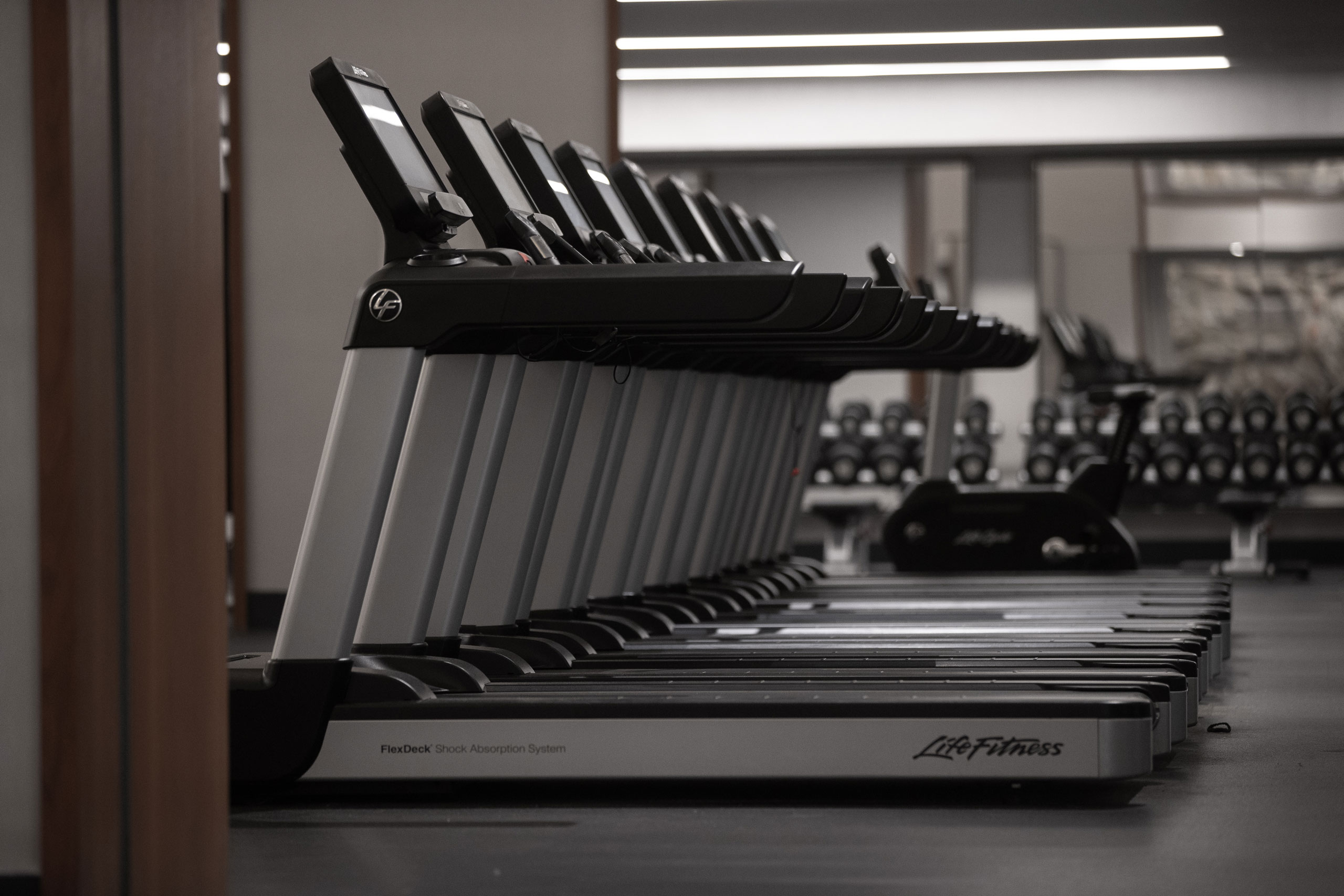
If you manage a condo tower, an office building, or a community facility, buying gym equipment in Toronto, that comes with a few challenges you won’t find on a spec sheet. The machines themselves are only part of the job. You also have to get them into the building, work within the rules of the property, keep residents or tenants happy during the changeover, and make sure someone is there to service the equipment once it’s running.
This post focuses on what’s specific to Toronto and the GTA. For the full picture on planning, budgeting, and buying across the country, start with our guide, Commercial Gym Equipment in Canada: A Cross-Country Buying Guide.
Why Buying Gym Equipment in Toronto Takes More Than a Quote
Toronto has one of the busiest condo, office, and institutional markets in Canada. That’s good news for the people who use these fitness centres, but it makes the buying process more involved. Most facilities are in shared buildings with active residents or tenants, limited loading access, and property management teams who need advance notice for almost everything.
In our experience, the projects that go smoothly are the ones where the equipment plan and the building plan come together early. When those two stay separate, you tend to find out about a freight elevator limit or a delivery restriction on the day the truck shows up.
Start With How the Space Is Actually Used
Before you compare brands or quotes, get clear on who uses the room and when. A condo gym in a 40 storey tower sees a rush before work and another in the evening. A corporate fitness centre on Bay Street may be quiet all afternoon and packed at noon. A community facility serves a much wider range of ages and abilities.
A few questions help shape the equipment mix:
- What does peak hour look like? Plan for your busiest window, not your average day.
- Is the space staffed? An unstaffed amenity room needs equipment that is intuitive and low risk.
- What are people asking for? Many facilities are shifting space from long cardio rows to racks, benches, dumbbells, and open functional areas.
Those answers keep the conversation focused on what your facility needs, not on whatever package is easiest to sell.
Plan Around the Building, Not Just the Room
This is where Toronto projects tend to get tricky. Commercial equipment is big and heavy, and many buildings weren’t laid out with a treadmill delivery in mind.
Walk the full delivery path before anything is ordered. That means the loading dock, the freight elevator, the hallways, and the doorway into the fitness centre. Check the elevator’s weight and size limits, and confirm how far ahead the dock and elevator need to be booked. In busy downtown buildings, those slots can fill up weeks out.
A few other building details are worth confirming early:
- Floor loads. Plate storage, dumbbell racks, and heavy strength machines put real weight on a floor, especially in upper floor amenity spaces.
- Power. Commercial treadmills often need dedicated circuits, and older buildings may have limited electrical capacity in the fitness room.
- Floor protection. Many property managers require protection for lobbies, corridors, and elevator cabs during delivery.
- Vendor requirements. Some buildings ask vendors for proof of insurance and a scheduled work window before they allow access.
Condo Boards, Tenants, and Keeping the Gym Open
In a condo, the fitness centre is usually part of the common elements, and the corporation’s rules shape how it’s used and maintained. The Condominium Authority of Ontario explains that condo rules exist to prevent unreasonable interference with the use and enjoyment of units and common elements, and they can restrict how amenities are used. In practice, that means delivery hours, noise windows, and notice to residents all need to be part of your plan.
Board approval can also take time, so build it into your schedule. It helps to bring the board a clear proposal with the equipment list, the delivery plan, and the expected downtime.
Office and rental buildings have their own version of this. Tenants and residents still expect access to the gym, which is why many Toronto facilities replace equipment in phases. You might swap the cardio zone one week and the strength area the next, so part of the room stays open the whole time. Don’t forget the old equipment either. Decide ahead of time who removes it and where it goes, whether that’s resale, donation, or responsible recycling.
Certification and Accessibility Checks in Ontario
Every piece of equipment that plugs in needs to meet Canadian electrical requirements, which usually means a certification mark such as CSA, cUL, or cETL. That’s worth confirming model by model, especially if you’re looking at imported or U.S. only equipment that seems like a bargain. A unit without the right mark can create problems with an electrical inspector or your building’s insurer.
Accessibility deserves the same attention. According to the Government of Ontario, the Building Code sets accessibility requirements for most new construction and extensive renovations, including a barrier free path of travel throughout most buildings. If your equipment project is part of a larger renovation, bring that into the conversation early. Even when the code doesn’t apply directly, leaving clear routes and choosing some equipment that works for a wider range of users makes the space better for everyone.
What a Quote for Gym Equipment in Toronto Should Include
The lowest number on a quote isn’t always the lowest cost. When you compare suppliers, look for a quote that is fully landed and installed, so you can compare them fairly. A complete quote should cover:
- Pricing in Canadian dollars, so you aren’t exposed to exchange rate swings before delivery
- Freight and any duties, spelled out clearly
- Delivery coordination, including after hours or weekend work if your building requires it
- Installation and assembly by trained technicians
- Removal of old equipment, if you’re replacing what’s already there
- Warranty and service terms, including parts, labour, and response times
If any of these are missing, ask. It’s much easier to sort out now than after the equipment arrives.
Think About Service Before You Sign
The purchase is the start of the relationship, not the end of it. A treadmill in a busy condo gym can run for hours every day, and when it goes down, residents notice fast. Before you commit, find out who services the equipment, how quickly they respond in the GTA, and what preventive maintenance looks like.
Our Fitness Equipment Service team handles scheduled maintenance, repairs, and lifecycle planning across major manufacturers. Because we also sell, install, and manage fitness facilities, you get one point of accountability from planning through daily operations, instead of juggling separate vendors for each stage.
Ready to Plan Your Gym Equipment in Toronto?
The right equipment package starts with how your space is used and how your building works. When delivery, building rules, certification, and service are planned alongside the equipment list, the project goes smoother for you, your board or ownership group, and the people who use the gym every day.
As the exclusive Life Fitness distributor in Canada, we help Toronto facilities choose, plan, deliver, and install equipment that fits the space and the budget. If you’re planning a new fitness centre or a replacement project, talk to our team about gym equipment in Toronto that’s built for the way your facility actually runs.