
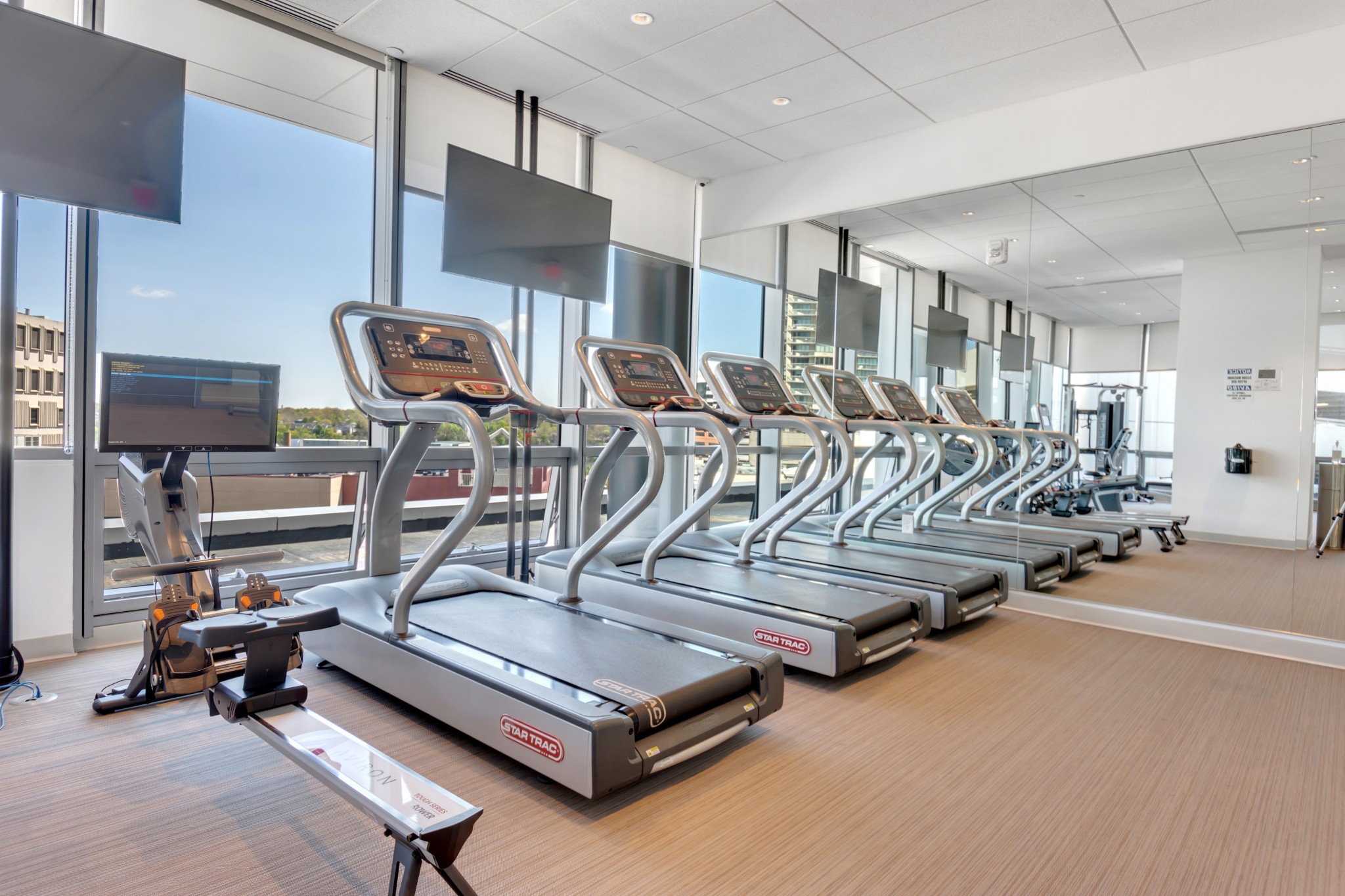
Finding a treadmill repair service is easy. Finding one that can fix a commercial treadmill on the first visit, with the right part, without putting your warranty at risk, takes more work. Most facility managers find out which kind they hired on the second visit for the same problem.
We service commercial treadmills across every major brand, and we also manage the facilities they sit in, so we see this from both sides of the service call. If you want the background on what usually breaks and what it costs, start with our guide to treadmill repair near me and what drives repair costs. This post is about the provider: how to tell a good one from one that will keep coming back.
Get These Details Ready Before You Call
A technician diagnoses faster when they know what they’re walking into. Before you contact anyone, pull together the brand, model, and serial number, which are usually on a label near the base or under the motor hood. Add the exact error code if the console shows one, a description of what the machine is doing (slipping, surging, cutting out under load, grinding, incline stuck), and when it started. If it’s safe to run, a 20-second phone video helps more than a paragraph of description.
If you know the machine’s age, roughly how many hours a day it runs, its warranty status, and the last time it was serviced, include that too. Five minutes of prep can save a diagnostic trip. It also tells you something about the provider. A service team that asks for these details before booking is planning to show up with the right part.
Questions to Ask a Treadmill Repair Service
Do you work on commercial treadmills, and on our brands?
Commercial treadmills use bigger motors, different controllers, and a lot of proprietary parts. A technician who mostly fixes home machines can be very good at that work and still be the wrong fit for a treadmill that runs 12 hours a day. Ask which commercial brands they service regularly. If your floor has more than one brand, ask whether they cover all of them. One provider across every machine means one service history and one number to call.
Do you follow manufacturer service requirements?
Commercial warranties usually depend on maintenance and repairs being done the way the manufacturer specifies, with approved parts. Ask whether the team follows manufacturer procedures, uses approved parts, and documents each visit. A vague answer here is a warranty risk.
How do you find the root cause?
This is the question that separates a parts swapper from a technician. A failed motor control board is often a symptom. The real cause might be a worn belt and deck making the motor work too hard, or a power problem at the outlet. Swap the board without fixing that and it fails again. Ask how they diagnose. Do they check belt and deck wear, take a motor current reading, read the error log, and look at the power supply? You want someone who can tell you why the part failed, not only which part failed.
How do you handle parts?
Parts decide how long your treadmill sits idle. Ask whether they stock common parts for your brands, how they source the rest, and what typical lead times look like. A good provider tells you up front when a part is back-ordered, so you can decide whether to wait, run a temporary fix, or start planning a replacement.
What does a visit cost, and what’s included?
Ask about the service call fee, the hourly rate, whether the diagnostic fee is credited toward the repair, and how quotes get approved before major work starts. For commercial facilities, also ask how pricing changes under a service agreement. Clear pricing up front is easier to budget and avoids surprises on the invoice.
What do we get in writing after each visit?
Every visit should end with a service report: what was found, what was done, which parts were used, and what to keep an eye on. Those reports become the machine’s maintenance history. They show repeat problems, support warranty claims, and make the repair or replace decision much easier later.
How fast can you get here?
Response time depends on where you are and how many technicians the provider has nearby. Ask for realistic numbers for your address, not a best case. Then ask how urgent calls are handled and whether service agreement clients are scheduled first.
Red Flags When Choosing a Treadmill Repair Service
- Nobody asks questions before booking. Expect a diagnostic visit, then a second trip with the part.
- Parts get replaced with no explanation of why they failed. That’s how one repair becomes three.
- There’s no written report. You lose the maintenance history and possibly the warranty.
- Pricing only shows up on the invoice. A professional provider quotes before major work.
- Everything gets lubricated. Some commercial belt and deck systems are designed to run without added lubricant, and the wrong product can damage them.
- Replacement gets pushed on the first visit without a diagnosis, or a repair gets pushed on a machine that clearly needs replacing.
One-Off Repair or Ongoing Service Agreement?
If you have one treadmill and it rarely breaks, calling a treadmill repair service when something goes wrong can work. Once you’re running a full cardio floor, or several properties, the numbers change. Reactive repairs cost more per visit, downtime is unpredictable, and nobody is tracking the small problems that turn into big ones.
A service agreement built around actual usage puts preventive maintenance on a schedule, keeps one history for every machine, and usually moves you to the front of the line when something does go down. For property managers and owners with multiple sites, it also means one standard and one point of accountability instead of a different vendor at every address.
A Treadmill Repair Service Built Around How Your Facility Runs
Our fitness equipment service team covers commercial treadmills across all major brands, with scheduled maintenance, repairs, and lifecycle planning based on how your equipment is actually used. Because we also plan, equip, and manage fitness facilities, our technicians look at a down treadmill the way an operator does. They want to know what failed and what the downtime is costing you on the floor.
If a machine is down now, call 844-338-9900. If you want a treadmill repair service you won’t have to replace next year, request a proposal and let’s talk about your floor.