
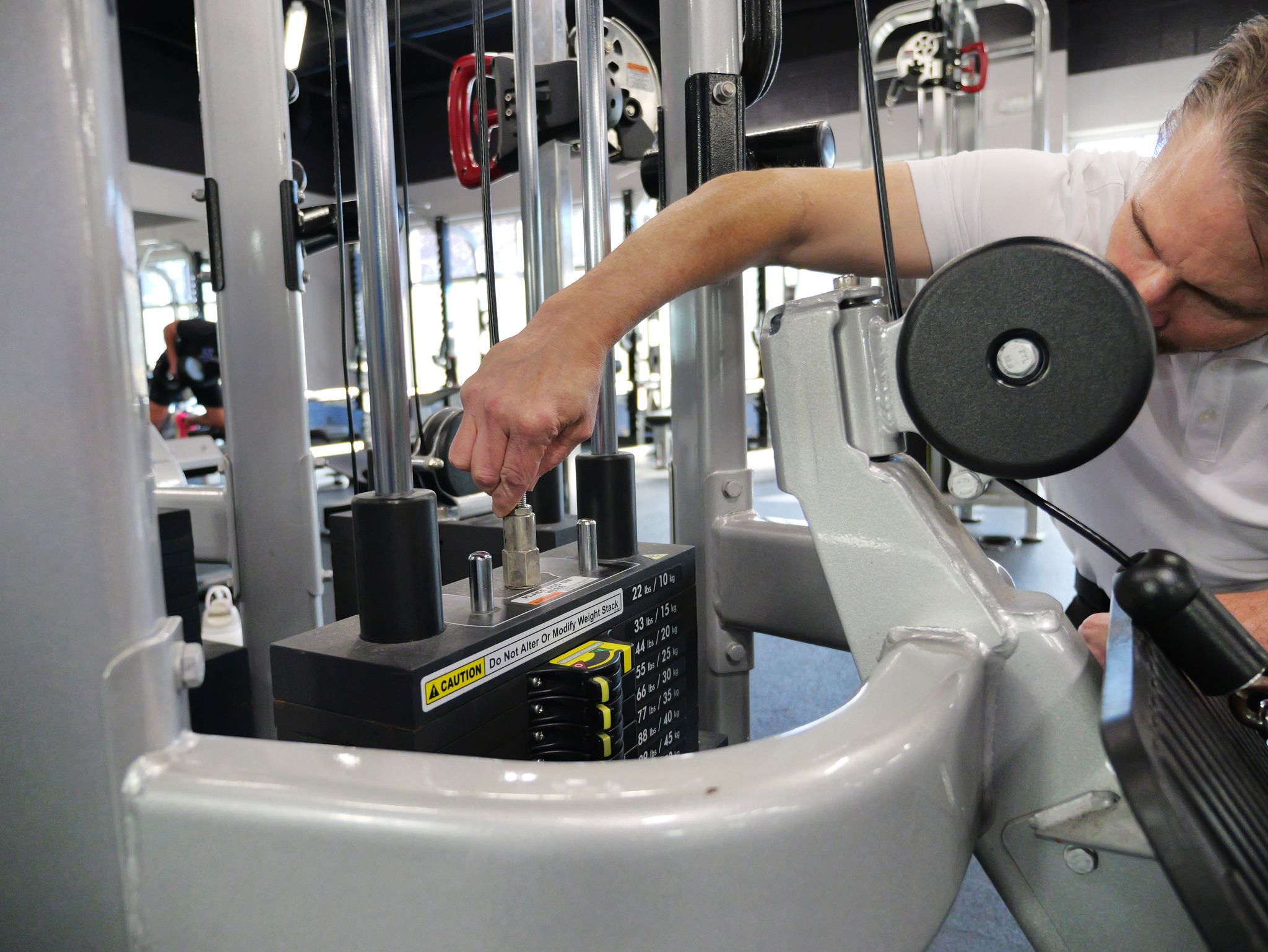
Every property with commercial fitness equipment eventually has to decide who owns fitness equipment repair. It might be the building engineers already on site, an independent repair company called when something breaks, or one service partner responsible for every machine. That choice affects more than the repair bill. It decides how long machines sit idle, whether warranties hold up, and how many phone calls it takes to get a treadmill running again.
There’s no single right answer for every property. A 600-square-foot residential amenity room and a 12-building office portfolio have different needs. What follows is how each model performs in practice, based on what we see across the facilities we service and manage. For the specific treadmill failures that drive most repair calls, and what they cost, see our guide to treadmill repair near me and what drives repair costs.
When Your Own Team Handles Fitness Equipment Repair
Many properties already have building engineers or maintenance staff on site, so handing them the fitness center feels efficient. For the first layer of care, it is.
Onsite staff are the right people for daily wipe-downs with cleaners that won’t damage consoles or upholstery, quick visual checks for frayed cables, loose hardware, and worn grips, and testing safety stops on cardio equipment. They are also the ones who should take a machine out of service the moment something looks wrong, put a sign on it, and log the problem with the date, the machine, and the error code. Staff who see the floor every day catch problems early, and early is better.
The trouble starts when that first layer turns into actual repair. Commercial cardio and strength equipment is specialized. Diagnosing a motor control board, recalibrating incline, or replacing a running belt and deck takes brand-specific training, the right tools, and access to parts that a general maintenance team usually doesn’t have. Good intentions can also make things worse. Lubricating a treadmill that was designed to run without added lubricant is one of the most common examples we see, and it damages the belt and deck it was meant to protect.
Then there’s the warranty. Commercial manufacturers typically require service to follow their procedures and use approved parts, often performed by qualified technicians. A repair that skips those requirements can put coverage at risk on a cardio floor worth tens of thousands of dollars. The most expensive failures, like a burned-out motor control board, usually start as small issues that need a trained diagnosis, not a quick fix.
And finally, capacity. Building engineers are pulled in a lot of directions. A treadmill waiting on a part competes with HVAC calls, elevator issues, and tenant requests, and it usually loses.
When a Third-Party Repair Company Makes Sense
Independent repair companies fill the technical gap. A good one brings trained technicians, diagnostic tools, and parts access your team doesn’t have. That works well for a single facility that needs occasional repairs, for a specialty brand your other providers don’t cover, or as backup when your regular provider can’t get there in time.
The model gets complicated with scale and mixed equipment. Most commercial floors run more than one brand, and not every vendor services all of them, so one property ends up with two or three repair companies. Each has its own pricing, scheduling, and paperwork. Nobody holds the full maintenance history, so the third belt adjustment in two months looks like a one-off instead of a worn deck.
It’s also worth asking who actually shows up. Some providers send their own technicians. Others subcontract to whoever is available in your area. That affects how consistent the work is from one visit to the next, and who’s accountable when a repair does not hold.
The Multi-Site Problem
Owners and property managers with fitness centers in several cities feel these gaps the most. A different vendor at every address means different response times, different standards, and different reports, if there are reports at all. When something goes wrong across the portfolio, accountability is spread so thin that nobody owns it.
Response time in particular depends on where a provider’s technicians are based relative to each of your buildings.
One Service Partner Across the Equipment Lifecycle
The third model treats fitness equipment repair as part of a program instead of a series of calls. One partner handles preventive maintenance, repairs, and lifecycle planning across every brand and every site, while onsite staff keep handling the daily first layer.
The difference shows up in what gets tracked. One provider owns the service history for each machine, so patterns get caught. Maintenance is scheduled around run hours and manufacturer requirements. Warranty compliance is built into every visit instead of checked after the fact. And when a machine reaches the end of its service life, the repair or replace recommendation comes from the team that has been maintaining it, with the budget conversation happening before the failure instead of after.
How to Choose the Right Fitness Equipment Repair Model
Start with how much equipment you have and how many brands it spans. A handful of machines from one manufacturer can run on staff checks and an occasional third-party call. A full cardio and strength floor with three or four brands usually needs a structured program and one provider who covers all of it.
Then look at what downtime costs you. In a member-driven club, or an office tower where the fitness center helps lease space, a week with a dead treadmill costs more than the repair. Ask who is managing warranties today. If the honest answer is nobody, that’s a risk worth fixing. And be realistic about what your onsite team can take on before you add equipment repair to their list.
For most commercial properties, the answer ends up being a hybrid. Onsite staff handle cleaning, daily checks, and reporting. A qualified partner handles diagnostics, repairs, and scheduled maintenance. The key is defining who owns what before something breaks.
How We Handle Fitness Equipment Repair
Our fitness equipment service technicians are our own team, not subcontractors. We service commercial equipment across all major brands, follow manufacturer requirements so warranties stay intact, and build maintenance plans around how each facility is actually used. Because we also provide fitness management and amenity management, we know how to train onsite staff on that first layer of care, so problems get reported the day they start.
That’s the One-Partner Advantage in practice: one service history, one standard across every site, and one team accountable from the day equipment is installed to the day it is replaced.
If your current fitness equipment repair setup means juggling vendors or paying for the same fix twice, request a proposal and let’s talk about what your floor needs. If a machine is down right now, call our service team at 844-338-9900.