
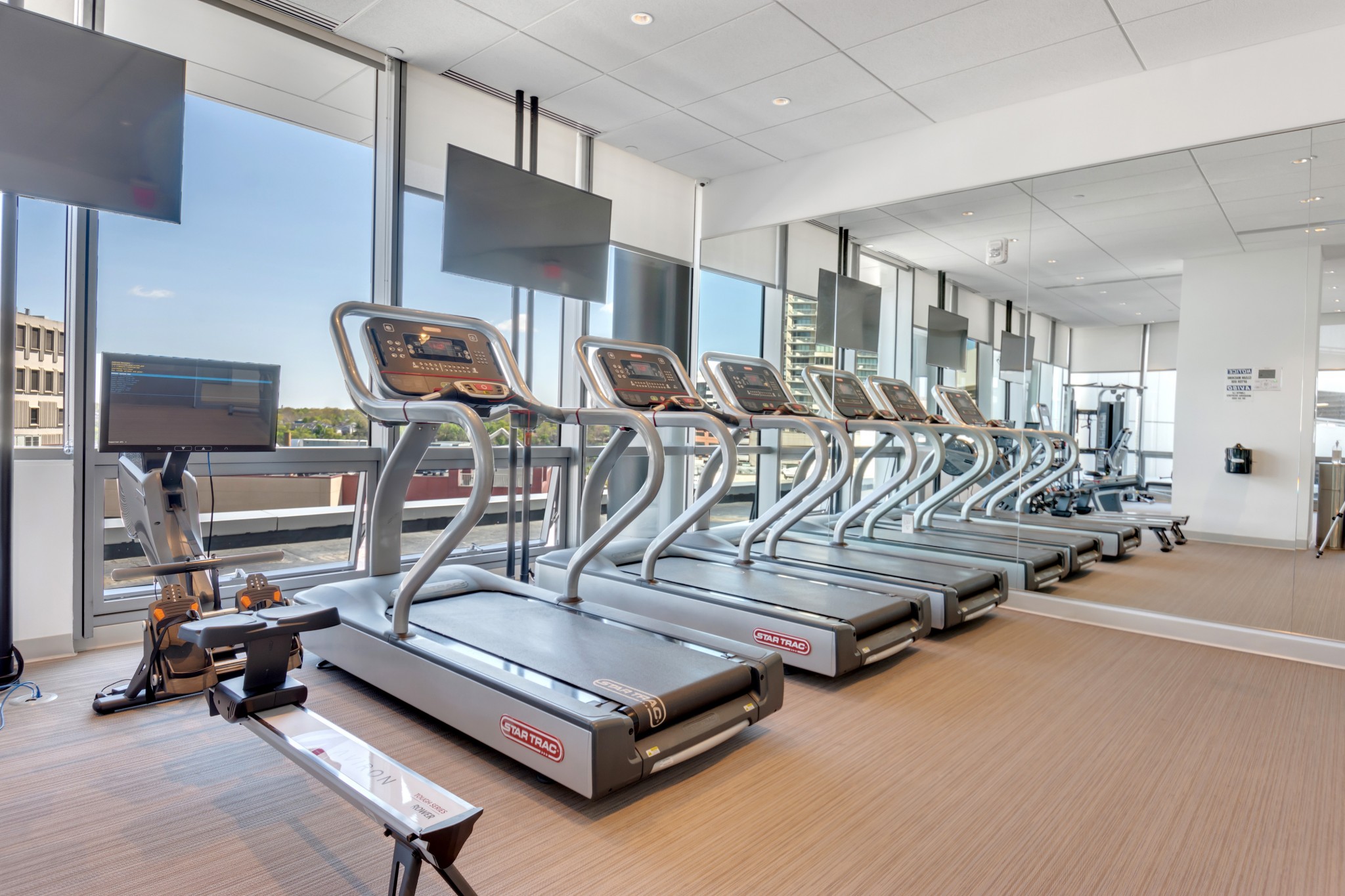
Buying commercial gym equipment in Canada looks simple on paper. You pick the treadmills, racks, and cable machines, get a quote, and schedule delivery. In practice, the decisions that matter most happen long before the purchase order. How the facility will be used, what the building can support, how the equipment gets across the country in January, and who services it three years from now all shape whether the investment pays off.
We work with fitness centres across Canada, from condo amenity spaces and corporate gyms to municipal recreation centres, YMCAs, and health clubs. The questions buyers ask are remarkably similar from coast to coast, but the answers often change depending on the province, the city, and the type of facility. This guide walks through how to plan, budget, and buy with fewer surprises, whether you’re outfitting a new build or replacing equipment in a space that’s already open.
What Makes Gym Equipment Commercial Grade
Commercial equipment is built for a very different workload than anything you’d buy for a home. A treadmill in a condo tower might run for hours a day with dozens of different users. A rack in a university weight room takes a beating every afternoon. Commercial units are designed for that kind of use, with heavier frames, higher duty cycles, stronger motors, and components that can be serviced and replaced rather than thrown away.
That durability comes with a different ownership model. Commercial gym equipment is usually sold with commercial warranties, supported by trained technicians, and specified to meet building and electrical requirements. It’s also a real capital investment, which is why it deserves the same planning you’d give to flooring, HVAC, or any other building system. When buyers treat it as a furniture order, the problems tend to show up after opening day.
Start With the Facility, Not the Catalogue
The best equipment package starts with a clear picture of who will use the space and how. A 1,200 square foot amenity room in a Vancouver rental building, a corporate fitness centre in downtown Toronto, and a municipal recreation facility in rural Saskatchewan could all need a completely different mix, even at similar budgets.
A few questions shape almost every decision:
- Who are the users? Residents, employees, students, members, or the general public each bring different ages, goals, and experience levels.
- When is the busiest hour? Peak use, not average use, determines how many pieces you need in each zone.
- What programming is planned? Group classes, personal training, or rehab and active aging programs each need their own space and equipment.
- Who will run the space? A staffed facility can support more technical equipment than an unstaffed amenity room that needs to be intuitive and low risk.
Training habits matter here too. The Canadian 24-Hour Movement Guidelines recommend that adults build up at least 150 minutes of moderate to vigorous aerobic activity each week, along with muscle strengthening activities at least twice a week. Many older layouts leaned heavily on cardio rows. Today, free weights, racks, benches, and open functional space carry a much bigger share of daily use in most facilities, and the equipment mix should reflect that.
Getting these answers down before you request quotes gives you something concrete to compare against. It also keeps the conversation focused on the facility’s needs rather than on whatever package happens to be on promotion.
How Buying Commercial Gym Equipment Differs Across Canada
Canada is a big country, and buying equipment for a facility in Calgary isn’t quite the same as buying for one in Montreal or Halifax. The equipment itself may be identical. What changes is freight, building activity, local requirements, language, and how quickly a technician can get to you when something needs attention.
Alberta: Calgary and Edmonton
Alberta has a steady mix of new residential towers, corporate offices, recreation centres, and private clubs, and both of its major cities have their own rhythm.
In Calgary, many projects are amenity spaces in multifamily and mixed use buildings, along with corporate and community facilities. Buyers often need equipment that holds up to heavy shared use while fitting into a finished, design forward space. We cover this in more detail in our guide to sourcing commercial gym equipment in Calgary.
Edmonton projects often involve new builds where timing is tight and the equipment has to arrive in step with construction. Winter freight, site readiness, and install scheduling all come into play. If you’re opening a new facility there, our breakdown of commercial gym equipment lead times and costs in Edmonton walks through what to plan for.
Ontario: Toronto and the GTA
Toronto has one of the most active condo, office, and institutional markets in the country, and that brings its own set of challenges. Loading docks get booked weeks out. Freight elevators have weight and size limits. Condo boards and property managers have rules about delivery hours and floor protection. And many facilities are replacing equipment in spaces that have to stay open during the swap.
For facility managers, the job often goes beyond picking the right machines. It means coordinating delivery with building management, planning around residents or tenants, and making sure old equipment is removed responsibly. We’ve put together a guide on what Toronto facility managers should know before buying commercial gym equipment that covers these details.
Quebec and Montreal
Quebec adds an important layer: language. Under the Charter of the French Language, product inscriptions, user manuals, and warranty documents generally need to be available in French. For commercial gym equipment, that can include console displays, safety labels, placards, and operating instructions. It’s worth confirming with any supplier that the specific models you’re considering meet those requirements before you commit.
Montreal also has a strong mix of older buildings being converted or renovated, which makes site surveys especially useful. Door widths, stair access, floor loads, and existing electrical capacity can all limit what goes where.
British Columbia, the Prairies, Atlantic Canada, and the North
Outside the largest cities, freight and service coverage become bigger parts of the decision. A facility in the Okanagan, northern Manitoba, or rural Nova Scotia can absolutely have a high quality equipment package. It just takes more planning around delivery windows, installation crews, and how service will be handled once the equipment is in place.
For remote and northern communities, it helps to ask early about spare parts, preventive maintenance visits, and what happens if a machine goes down in the middle of winter. Those answers matter as much as the price of the equipment itself.
Certification, Codes, and Accessibility
Equipment that plugs in has to meet Canadian electrical requirements. That usually means carrying a certification mark from an accredited body, such as CSA, cUL, or cETL. In Ontario, the Electrical Safety Authority is clear that electrical products must be approved by an accredited certification or evaluation agency before they’re used, sold, or advertised in the province. Other provinces have similar rules.
This matters most when buyers look at grey market equipment, direct imports, or models built only for the U.S. market. A treadmill that looks like a bargain can turn into a problem if an electrical inspector flags it, or if the building’s insurer asks questions after an incident. Confirm certification for every powered piece in the package, including cardio units, consoles, and any connected fitness displays.
A few other requirements are worth building into the plan:
- Power and data. Commercial treadmills often need dedicated circuits. Know the electrical requirements for each unit before the electrical drawings are finalized.
- Floor loads. Heavy strength equipment, plate storage, and dumbbell racks put real weight on the floor. This is especially important for upper floor amenity spaces in residential and mixed use buildings.
- Accessibility. Provinces set their own accessibility standards, and Ontario’s AODA (Accessibility for Ontarians with Disabilities Act) and similar rules elsewhere shape how routes, clear floor space, and equipment choices come together. Including accessible equipment and layouts from the start is far easier than retrofitting later.
Budgeting for Commercial Gym Equipment: Looking Past the Sticker Price
The quoted price of the equipment is only part of the real cost. A solid budget looks at the full landed and installed cost, then at what it takes to keep the equipment running.
When you compare quotes, check whether each one includes:
- Pricing in Canadian dollars. Some quotes are based on U.S. pricing, which leaves you exposed to exchange rate swings between quote and delivery.
- Duties and cross border costs. Trade conditions between Canada and the U.S. have shifted in recent years. Ask your supplier how duties are handled and whether they’re already built into the price.
- Freight and delivery. Distance, access, and season all affect freight. Rural and northern deliveries can add meaningful cost.
- Installation and assembly. Commercial strength equipment often arrives in pieces and needs trained installers.
- Removal of old equipment. Replacement projects need a plan for what happens to the existing machines.
- Warranty and service terms. Parts and labour coverage, response times, and preventive maintenance all affect long term cost.
It also helps to think in terms of total cost of ownership. A lower priced unit that needs frequent repairs, or that’s hard to get parts for in Canada, can cost more over its life than a better built one with strong local support. For many facilities, preventive maintenance and a clear service plan protect the investment as much as the purchase decision does.
Financing and leasing are also common for commercial facilities, especially for larger packages or phased openings. Whatever route you take, the goal is the same: a budget that reflects the full picture, so there are fewer surprises once the project is underway.
Planning Around Lead Times and Delivery
Lead times for commercial equipment vary by manufacturer, product line, finish, and upholstery options, and they can stretch further for custom colours or specialty pieces. Freight across Canada adds time, and winter can slow things down in some regions.
The most common scheduling problem we see isn’t a late shipment. It’s equipment arriving before the space is ready. If flooring isn’t down, power isn’t live, or the room is still being painted, the equipment ends up in storage or sitting in a hallway. That creates extra handling, potential damage, and added cost.
A few habits keep projects on track:
- Lock the equipment list early. Finalizing specifications during design gives the most room for manufacturing and freight.
- Tie delivery to site readiness, not a calendar date. Flooring, electrical, and finishes should be complete before equipment arrives.
- Coordinate building access. Book loading docks and freight elevators ahead of time, and confirm delivery hours with property management.
- Plan install and commissioning. Leave time for assembly, testing, and a walkthrough with staff before opening.
For new builds, equipment timing should be part of the overall construction schedule from the start. That way, the order lands at the right point in the project rather than as a last minute scramble.
Choosing the Right Equipment Supplier
Once you know what the facility needs, the next step is finding a partner who can deliver it and support it. Price matters, but it shouldn’t be the only thing you compare.
Here are the questions worth asking any supplier:
- Do you have Canadian inventory, parts, and technicians? Local support shortens repair times and keeps equipment in use.
- Is every powered unit certified for use in Canada? Ask for confirmation on each model in the quote.
- Is your quote fully landed and installed? Freight, duties, installation, and removal should be clear from the start.
- Can you provide French documentation and labelling for Quebec projects? If you operate in Quebec, this is essential.
- Who handles service after installation? Find out who responds when something breaks, how quickly, and what preventive maintenance looks like.
- Can you help plan the layout and specifications? A supplier who can advise on zoning, clearances, and equipment mix adds far more value than one who simply fills an order.
- Have you worked with facilities like ours? Multifamily, corporate, municipal, and health club environments each have different demands.
Bringing Equipment Planning Into the Design Process
Equipment decisions work best when they’re made alongside the architect and development team, not after the drawings are done. Architects lead the building, the structure, and the overall design. Developers and owners set the goals, the budget, and the timeline. A fitness equipment partner adds detailed inputs that help the whole team move faster.
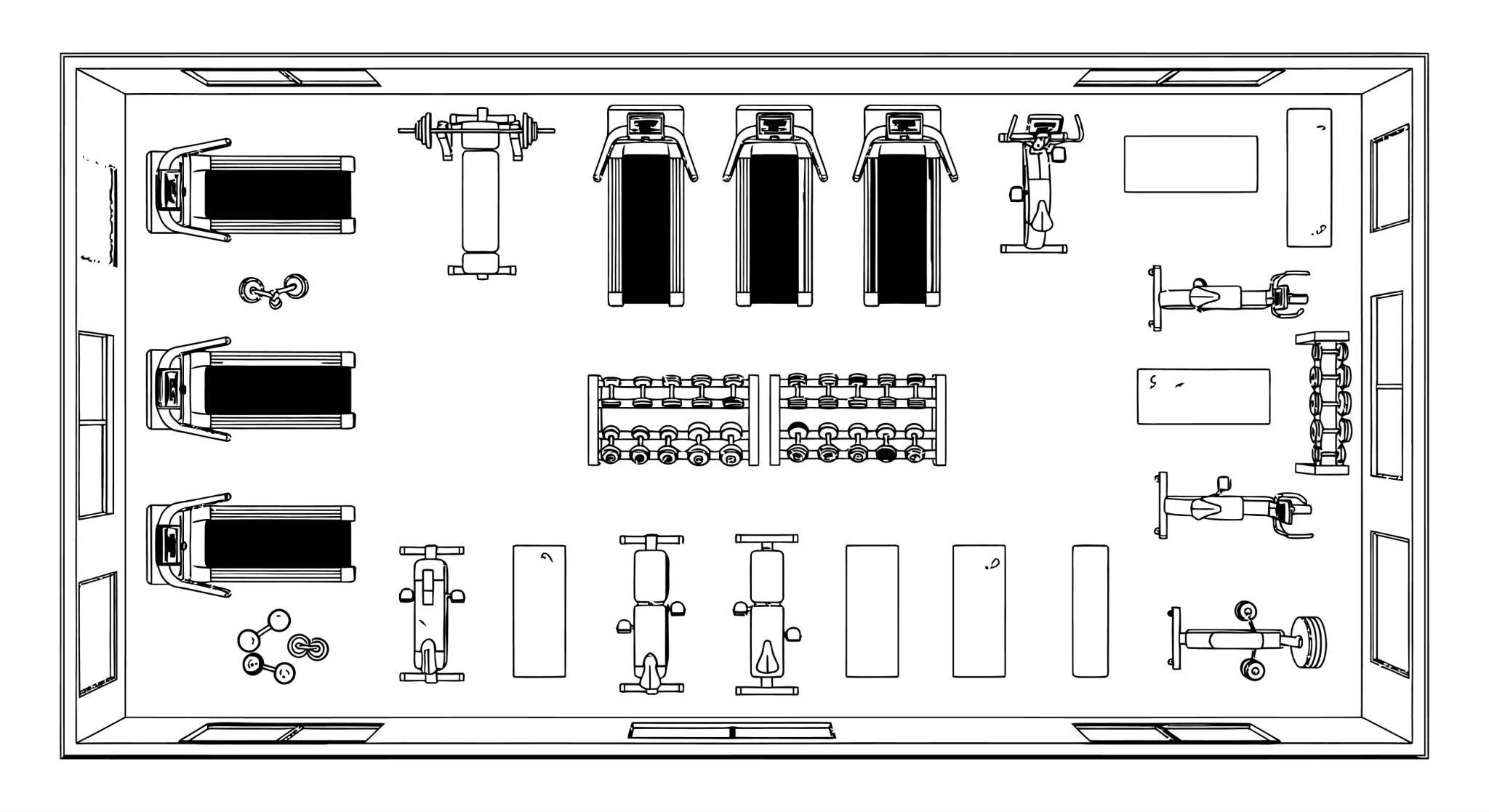
That includes exact equipment dimensions and weights, clearance requirements, power and data needs, flooring recommendations, and zoning that reflects how the space will be used. With that information early, the design team can plan outlets, floor reinforcement, and circulation around the actual equipment rather than a generic allowance.
For developers and owners, this early collaboration reduces redesign and change orders later in the project. For architects, it means working from better information. And for the people who use the space, it means a fitness centre that works the way it was meant to from day one.
How We Support Canadian Facilities
At LIVunLtd, we’re the exclusive Life Fitness distributor in Canada, with complementary brands integrated when a project calls for equipment or capabilities outside that portfolio. That gives Canadian facilities access to a proven commercial equipment line, backed by national coverage with local support.
Our role goes beyond the equipment order. Through our Fitness Equipment Sales team, we help with equipment strategy and specification, direct procurement and logistics, and installation. And because we also provide consulting, fitness management, and equipment service, we can stay involved from early planning through daily operations. You get one point of accountability for the full life of the equipment, instead of juggling separate vendors for planning, delivery, and service.
Whether you’re opening a new amenity space, refreshing a busy health club, or outfitting a municipal recreation centre, we work as an extension of your team to make sure the equipment fits the facility, the users, and the budget.
Frequently Asked Questions
What is the difference between commercial and residential gym equipment?
Commercial equipment is built for heavy, continuous use by many people. It typically has sturdier frames, higher duty ratings, commercial warranties, and parts that can be serviced and replaced. Residential equipment isn’t designed for that workload and usually isn’t covered by warranty in a commercial setting.
Does commercial gym equipment need to be certified in Canada?
Yes, for any equipment that plugs in. Electrical products generally need a certification mark from an accredited body, such as CSA, cUL, or cETL, before they can be sold or used. Confirm certification for every powered unit in your package.
How far in advance should I order commercial gym equipment?
Earlier is almost always better. Lead times depend on the manufacturer, the product line, and any custom finishes, and freight across Canada adds more time. For new builds, finalize the equipment list during design so delivery can be scheduled around site readiness.
What should a commercial gym equipment quote include?
A complete quote should show pricing in Canadian dollars and cover freight, duties, installation, removal of old equipment if needed, and warranty and service terms. That makes it easier to compare suppliers fairly.
Do Quebec facilities need French documentation for gym equipment?
In most cases, yes. Under the Charter of the French Language, product inscriptions, manuals, and warranty documents generally need to be available in French. Confirm this with your supplier for each model.
Ready to Plan Your Commercial Gym Equipment Package?
The right commercial gym equipment starts with a clear understanding of your facility, your users, and how the space will run long after opening day. When those decisions are made early, and with the right partner involved, the equipment performs the way it should for years.
If you’re planning a new facility or replacing equipment in an existing one, reach out to our team. We’ll help you build a package that fits your space, your budget, and your timeline, anywhere in Canada.